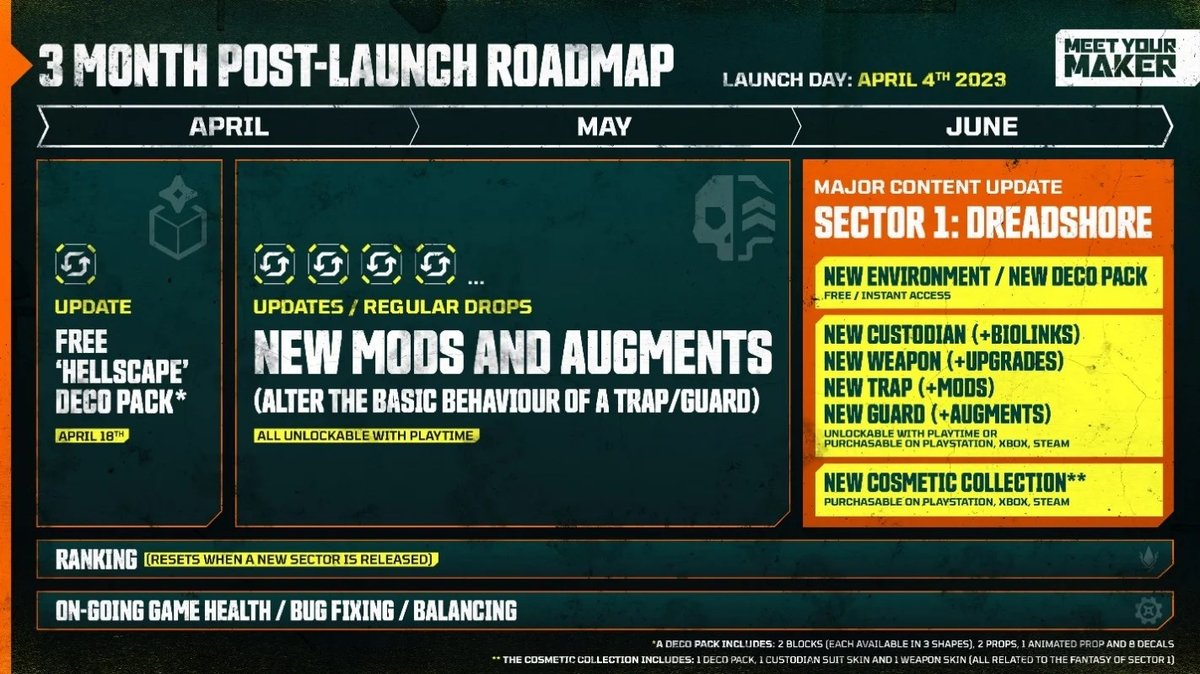
The grand unveiling of your product, service, or app is often seen as the finish line, but in reality, it's just the starting gun. To truly thrive and avoid becoming another statistic in the graveyard of abandoned projects, you need a robust strategy for Post-Launch Content, Updates & Future Potential. This isn't just about fixing bugs; it's about continuously adding value, fostering loyalty, and strategically expanding your reach to ensure sustained success and deep market relevance. Think of launch day as bringing your creation into the world – the true test is how you nurture it, help it grow, and adapt it for years to come.
At a Glance: Key Takeaways for Post-Launch Success
- Launch is a Beginning, Not an End: Sustained success hinges on active post-launch management, not just the initial release.
- Value Retention Over Acquisition: It's significantly cheaper to retain existing customers and grow their value (upsell/cross-sell) than to acquire new ones.
- Two Pillars of Growth: Post-launch efforts split into enhancing user value (expansion plays) and maintaining product health (maintenance & updates).
- Data is Your Compass: Utilize analytics and user feedback to drive all decisions, identify opportunities, and prioritize actions.
- AI is Your Accelerator: AI-powered tools can personalize experiences, automate workflows, and scale content creation for expansion and maintenance.
- Prioritize Ruthlessly: Not all updates are equal; critical bug fixes and security patches always come before new, non-essential features.
- Communicate, Communicate, Communicate: Keep users informed about changes, fixes, and new features to build trust and engagement.
Launch Day Was Yesterday: Why Your Real Work Starts Now
The champagne corks have popped, the press releases are out, and your team is (deservedly) basking in the glow of a successful launch. Congratulations. Now, brace yourself: the real marathon has begun. Too many promising ventures falter not because of a bad launch, but because they neglected the critical phases that follow. Without a proactive approach to Post-Launch Content, Updates & Future Potential, your product risks obsolescence, user churn, and ultimately, irrelevance.
Consider the economics: acquiring a new customer can cost five times more than retaining an existing one. Furthermore, your success rate for selling to current customers jumps to an impressive 60-70%, compared to a meager 5-20% for new prospects. The data speaks volumes: increasing customer retention rates by just 5% can skyrocket your profits by 25% to 95%. This isn't just about keeping the lights on; it's about maximizing Customer Lifetime Value (CLV) and transforming initial users into loyal advocates.
So, how do you shift from launch excitement to sustainable growth? It boils down to a two-pronged strategy: constantly seeking opportunities to expand value for your existing audience and diligently maintaining the integrity and performance of your offering.
Fueling Growth: Masterminding Post-Launch Expansion Plays
Once a user is onboard, your mission shifts from attracting them to nurturing them. Post-launch expansion plays are all about driving revenue growth and improving customer retention by strategically upselling and cross-selling. This isn't about being pushy; it's about intelligently offering more value when and where it makes sense.
The Untapped Potential of Upselling and Cross-Selling
- Upselling involves encouraging customers to purchase a higher-end version of your product, an upgrade, or a premium subscription. Think of a streaming service offering a 4K family plan to a user on a basic HD individual plan.
- Cross-selling is about recommending complementary products or services that enhance the user's current experience. If someone buys a fitness tracker, suggesting a compatible heart rate monitor or a premium workout app is a perfect example.
These strategies aren't just good for your bottom line; they enhance the customer experience by providing solutions that are genuinely useful. When executed well, expansion plays reinforce the value you provide, making customers feel understood and cared for.
AI as Your Growth Engine: Personalization at Scale
The sheer volume of customer data can be overwhelming, but this is where AI-powered solutions become indispensable. Platforms like Copy.ai's GTM AI leverage advanced analytics to optimize expansion campaigns by:
- Providing Data-Driven Insights: AI can analyze vast amounts of customer behavior, product usage, and purchase history data to pinpoint patterns and preferences that human analysts might miss. It identifies which customers are most likely to convert for an upsell or cross-sell.
- Personalizing Approaches: Generic offers fall flat. AI allows for hyper-personalized recommendations and messaging tailored to individual customer segments or even specific users. Imagine getting an email suggesting a premium software plan just as you're hitting the usage limits of your basic plan – that's smart, not annoying.
- Scaling Efforts: What might take a team of marketers weeks to manually segment and craft content for, AI can do in minutes, ensuring your expansion plays are delivered efficiently and effectively to thousands or millions of users.
Building Blocks for Successful Expansion Plays
To set up a winning expansion strategy, focus on these critical components:
- Robust Data-Driven Insights:
- Tools: Invest in CRM systems, marketing automation platforms, and analytics dashboards (e.g., Google Analytics, Mixpanel, Amplitude).
- Data Points: Collect customer interaction data, detailed product usage metrics (which features are used, premium feature adoption rates), purchase history, and even external market trend data. This helps identify latent needs and opportune moments.
- Seamless Cross-Functional Collaboration:
- Sales: Provides insights into customer pain points and conversion blockers.
- Marketing: Crafts targeted content, messaging, and campaigns.
- Customer Success: Offers invaluable insights into customer needs, satisfaction levels, and can identify "at-risk" accounts that might benefit from proactive engagement or expansion offers.
- Product: Ensures the new offerings genuinely enhance the core product experience.
- Scalable Workflows and Automation:
- Processes: Implement clear, repeatable processes for identifying, targeting, and executing expansion campaigns.
- Automation: Utilize AI-powered tools (like Copy.ai's Workflow Builder) to automate campaign flows, from generating compelling email copy to setting automated triggers based on specific customer actions (e.g., reaching a usage threshold, engaging with a specific feature).
- Clear Roles: Define responsibilities across teams to avoid bottlenecks and ensure smooth execution.
Your Playbook for Implementing Post-Launch Expansion
Ready to turn theory into action? Here’s a practical guide:
- Analyze Your Customer Data: Dive deep. Look at product usage data (which features get the most love, where do users hit limits?), purchase history (what complementary products could they use?), and engagement metrics (login frequency, specific feature engagement, early signs of churn risk). This analysis is the bedrock for identifying ripe opportunities.
- Develop Targeted Campaigns: Forget one-size-fits-all. Segment your customers and create personalized content and offers. This could involve crafting case studies relevant to a specific industry, sending tailored messaging highlighting features a user isn't using yet but would benefit from, or special promotions for loyal users.
- Automate and Optimize Workflows: Use AI-powered tools to map out your campaign flows. These tools can generate variations of compelling email subject lines and body copy, and set up automated triggers so that offers are delivered at the optimal moment based on customer behavior. This ensures consistency and efficiency.
- Continuously Iterate and Improve: Post-launch work is never "done." Regularly review campaign performance metrics (open rates, click-throughs, conversion rates). Gather feedback from your sales and customer success teams – they're on the front lines. Stay updated on industry trends and competitor strategies. What worked last quarter might need refining this quarter.
Fortifying Your Foundation: The Art of Continuous App Maintenance & Updates
While expansion plays focus on growth, the other half of post-launch success is about stability and reliability. A strong post-launch strategy for app maintenance and updates is crucial for ensuring your product remains relevant, secure, and engaging. Neglecting this phase is like building a beautiful house but never fixing the leaky roof – eventually, the foundation will crumble.
Why Continuous Updates Are Non-Negotiable
- User Retention and Engagement: Imagine using an app that never changes, never improves, and occasionally crashes. You'd quickly get bored or frustrated. Regular updates signal active development and care, preventing your offering from feeling stale and significantly reducing churn. They show you're listening and invested in improving their experience.
- Security and Compliance: The digital landscape is a battlefield of evolving threats. Updates are vital for patching vulnerabilities, safeguarding user data, and protecting your company's reputation. Ignoring security patches is an open invitation for malicious actors. Furthermore, staying compliant with new data regulations often requires ongoing updates.
- Performance Improvements: Beyond features, updates refine the core experience. They can increase app speed, reduce crashes, optimize resource consumption, and enhance existing features, leading to a smoother, more efficient, and ultimately more enjoyable user experience. A faster, more reliable product always wins.
Different Flavors of Maintenance: Knowing What's Needed
Not all maintenance is created equal. Understanding the types helps you allocate resources effectively:
- Corrective Maintenance: This is reactive, addressing bugs and errors discovered post-release. Think sudden app crashes, login failures, or incorrect data display. These are typically high-priority fixes.
- Adaptive Maintenance: Ensuring your product plays nice with the rest of the world. This involves updating for compatibility with new devices, operating system updates (iOS, Android, Windows), and platform changes (e.g., API updates from third-party integrations).
- Perfective Maintenance: Improving what's already there. This includes enhancing existing features, refining the UI/UX based on feedback, and optimizing app performance (e.g., making a specific workflow faster).
- Preventive Maintenance: Proactively addressing future issues. This involves routine code reviews, updating underlying libraries, identifying and closing potential security vulnerabilities before they're exploited, and refactoring code to improve maintainability.
Building a Robust Post-Launch Strategy: A Step-by-Step Guide
- Monitoring App Performance Relentlessly:
- KPIs: Track key indicators like session length, retention rate, and daily/monthly active users (DAU/MAU).
- Tools: Utilize analytics platforms like Firebase, Mixpanel, or App Annie. For crash reporting, implement systems such as Sentry or Crashlytics to catch issues fast. Automating micro-KPIs into observability stacks (Datadog, Grafana) provides real-time insights.
- Collecting User Feedback Systematically:
- In-App Surveys: Uncover usability issues and gather direct input.
- App Store Reviews: Monitor these diligently. Look for trends, common complaints, and feature requests. Responding to reviews shows you're listening.
- Prioritizing Updates Smartly:
- Severity First: Critical bug fixes, security patches, and stability improvements always take precedence over non-essential feature releases.
- Roadmaps: Plan a balanced roadmap that allocates resources to both short-term fixes and long-term enhancements. Sometimes, it’s worth pausing new feature development to stabilize the core product.
- Implementing Efficient Update Cycles:
- Agile Development: Utilize agile sprints for consistent, incremental improvements.
- Beta Testing: Before a wider release, conduct beta tests with a subset of users to catch issues early. This significantly reduces the risk of major post-release problems.
- Clear Versioning & Release Notes: Provide clear version numbers and detailed release notes. This builds user trust and helps them understand what’s changed and why.
- Communicating Updates to Users Effectively:
- Channels: Inform users about major fixes or new features via push notifications, targeted email campaigns, in-app messages, and updated app store descriptions.
- Benefits-Oriented: Frame updates in terms of benefits to the user ("faster performance," "enhanced security," "new ways to connect").
- For example, just as you might consider whether Is Hogwarts Legacy worth playing? based on its updates and community engagement, your users are evaluating your product's ongoing value.
Navigating the Future: Advanced Strategies & Overcoming Challenges
The path to sustained success isn't always smooth. There will be bumps, unexpected turns, and critical decisions to make. Embracing advanced strategies and preparing for common pitfalls can make all the difference.
Advanced KPI-Driven Post-Launch Control: The Data Scientist's Edge
For product owners, release managers, and data-driven PMs, moving beyond basic monitoring is key. A conceptual "Advanced KPI-Driven Post-Launch Control Matrix" offers a robust framework:
- Automated Micro-KPIs: Integrate granular metrics (e.g., login success rate, specific feature load times, API response latency) into observability stacks (Datadog, Firebase, Grafana) for real-time tracking.
- "Canary Thresholds": Implement automated rollback triggers in your CI/CD pipelines. If critical metrics (e.g., crash rate, primary conversion flow completion) deteriorate beyond a defined "canary threshold" immediately post-update, the system automatically reverts to the previous stable version.
- "1% Rule" Risk Budget: Allocate a small, dedicated "risk budget" (e.g., 1% of team capacity) for maintenance sprints specifically focused on addressing technical debt or unforeseen issues if metrics decline. This institutionalizes proactive problem-solving.
- "$ Impact Model": Translate technical changes and their performance implications into tangible P&L insights. For example, quantify how a 100ms improvement in load time impacts conversion rates and, therefore, revenue. This helps justify engineering efforts to stakeholders.
- Success Metrics: Beyond basic engagement (DAU/MAU, session length), track crash rates (aim for zero!), tech-debt velocity (an "Entropy Index" to measure how fast your code base is decaying), and user satisfaction (NPS, CSAT scores).
Tackling Common Post-Launch Challenges Head-On
Even with the best plans, challenges arise. Recognizing and addressing them proactively is crucial:
- Managing Technical Debt from Rushed Releases:
- Pitfall: Often, launch timelines force compromises, leading to "quick fixes" that pile up as technical debt.
- Strategy: Dedicate regular sprints or a portion of developer time specifically to technical debt. Prioritize debt that impedes future development or causes stability issues. Use static code analysis tools to identify and track debt.
- Addressing User Churn Effectively:
- Pitfall: Users inevitably leave, but not understanding why is costly.
- Strategy: Implement churn surveys or exit interviews. Analyze user behavior leading up to churn. Is there a specific feature they stopped using? A critical bug they encountered? Personalize re-engagement campaigns based on churn reasons.
- Effective Resource Allocation for Ongoing Maintenance:
- Pitfall: Teams often move onto the "next big thing," leaving maintenance under-resourced.
- Strategy: Integrate maintenance and improvement tasks directly into your ongoing development sprints. Clearly define responsibilities for monitoring, bug fixing, and continuous improvement. Use the "$ Impact Model" to justify resource allocation for maintenance, demonstrating its long-term ROI.
Your Product's Future is Now
The journey doesn't end at launch; it truly begins there. Embracing a philosophy of continuous improvement, guided by data, driven by user needs, and amplified by intelligent automation, is the bedrock of lasting success. By thoughtfully planning your Post-Launch Content, Updates & Future Potential, you're not just reacting to problems; you're proactively shaping a vibrant, engaging, and valuable experience that will keep your audience coming back for more, ensuring your product doesn't just survive, but truly flourishes.